
Running out of inspiration for your digital art projects? Don’t worry—these beginner-friendly ideas are designed to spark creativity and help you get started quickly. With these simple concepts, you can create aesthetic, visually appealing artwork without spending hours planning, making it perfect for both beginners and casual digital artists.
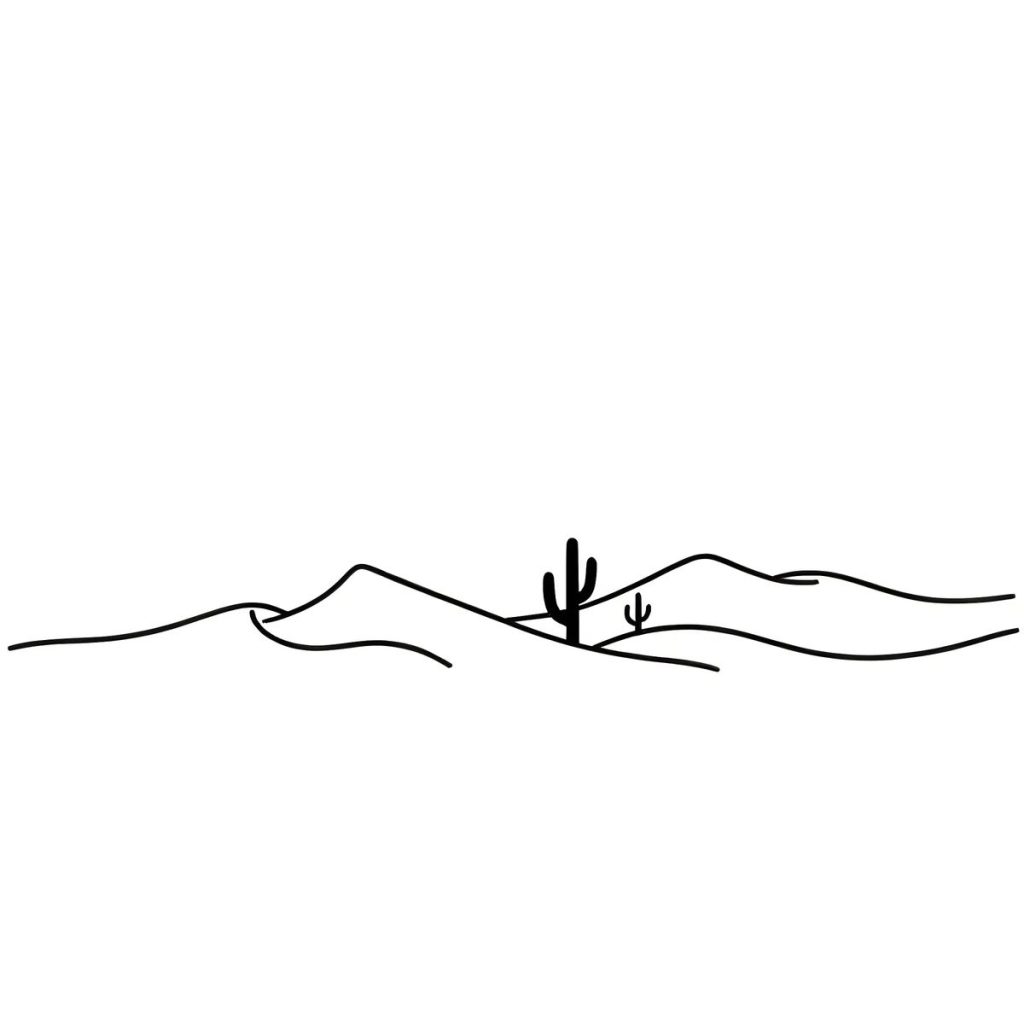
1. Minimalist Mountains
Minimalist mountain landscapes are perfect for novices due to the fact they awareness on simplicity, making them easy first of all even as nevertheless producing lovely effects. Instead of including each detail, you may use easy, easy shapes for the peaks and slopes, layering them to create depth and attitude. Play with gradients and tender shades to indicate sunlight, shadows, or fog, giving the artwork a relaxed and aesthetic vibe. You also can experiment with exclusive times of day, like sunrise, sunset, or a misty morning, to practice coloring and temper creation. This fashion is excellent for getting to know composition, layering, and simple shading strategies with out overwhelming your self with complexity.
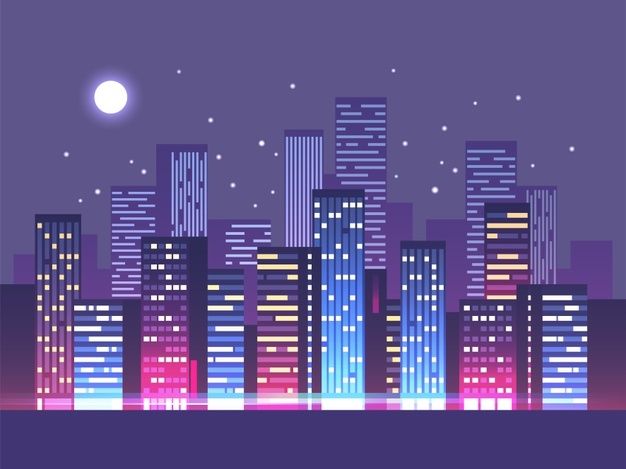
2. Neon Skyline
Neon city scenes are a fun way to practice color contrast and lighting effects. Start by sketching a simple city skyline – tall buildings, small houses or abstract structures. Then add neon lights with bright, glowing colors like pink, blue and purple to windows, street lights or signage. Include reflections on water or streets for a cyberpunk, futuristic effect. The idea teaches beginners how to handle light and shadow, glow effects and reflections, as well as encourages creative experimentation with bold color palettes. You can make each skyline unique by changing the city layout, lighting placement or background sky.
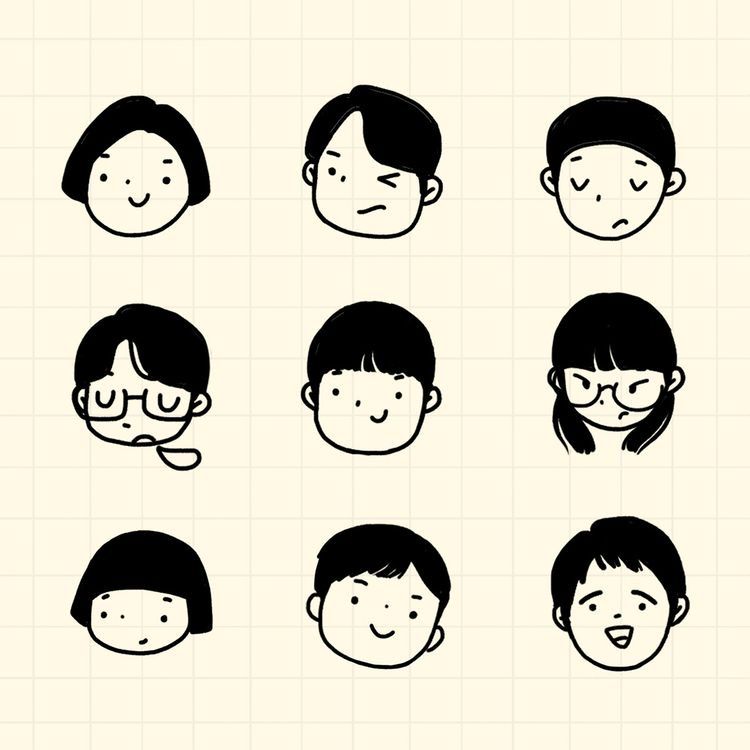
3. Cute Character Expressions
Creating cute characters is a great exercise for improving emotional expression in digital art. Start with simple face shapes and use exaggerated eyes, eyebrows and mouth to clearly convey emotions such as happiness, sadness, surprise or excitement. You can add accessories, hairstyles or outfits to give each character personality. Experimenting with different expressions helps you understand facial anatomy, proportions and stylization. This idea also allows you to play with vibrant colors and shading, bringing characters to life and practicing techniques that can later be applied to full-body illustrations or more complex character designs.
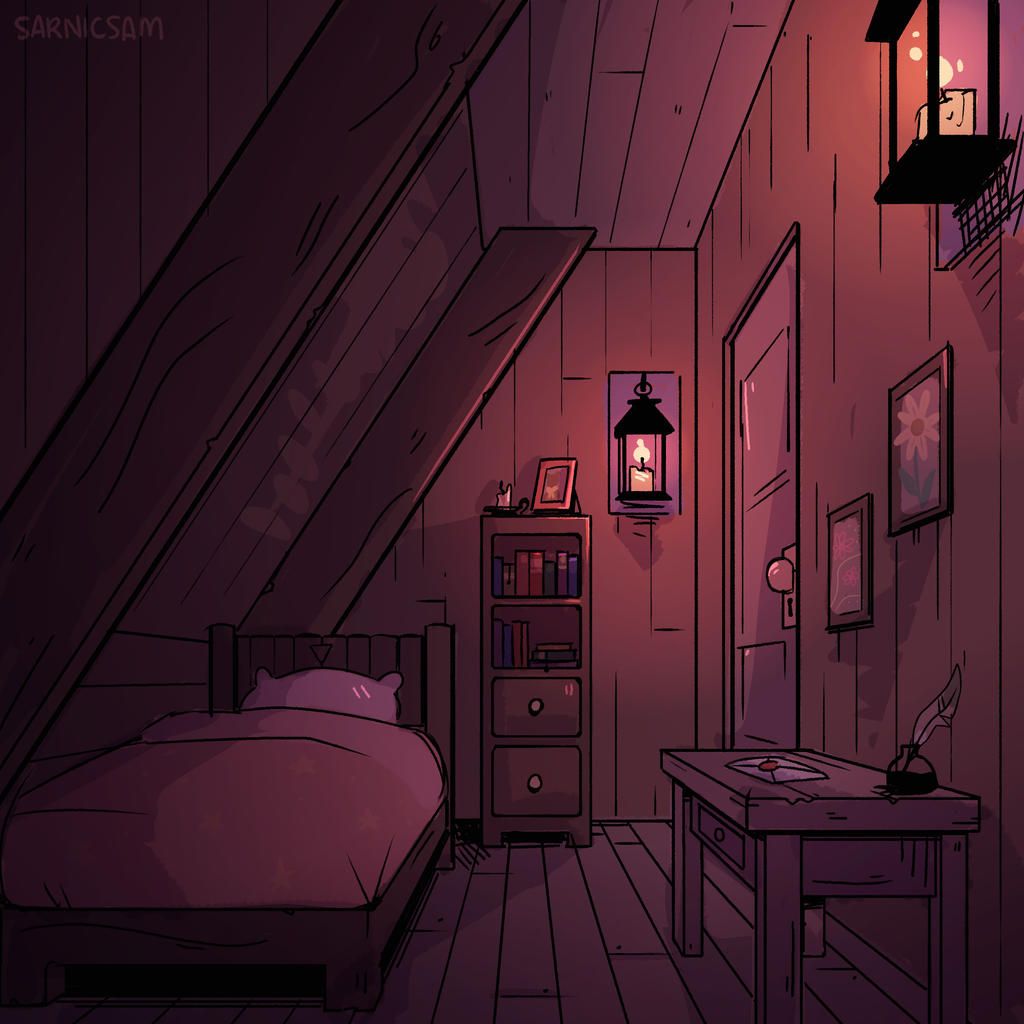
4. Aesthetic Room Interior
Designing the interior of a comfortable or aesthetic space combines architecture, perspective and decorative elements in one work of art. You can create a small bedroom, study corner or lounge area and fill it with objects such as a desk, plants, posters, books or fairy lights. Focus on linear perspective to make the room look realistic and use soft, inviting colors to create a warm or cool atmosphere. Adding details such as shadows, light from windows or glow from lamps helps you practice depth and lighting effects. This project is perfect for beginners who want to combine creativity and technical skills while creating visually appealing, relatable images that tell a story.
5. Galaxy-Themed Clouds
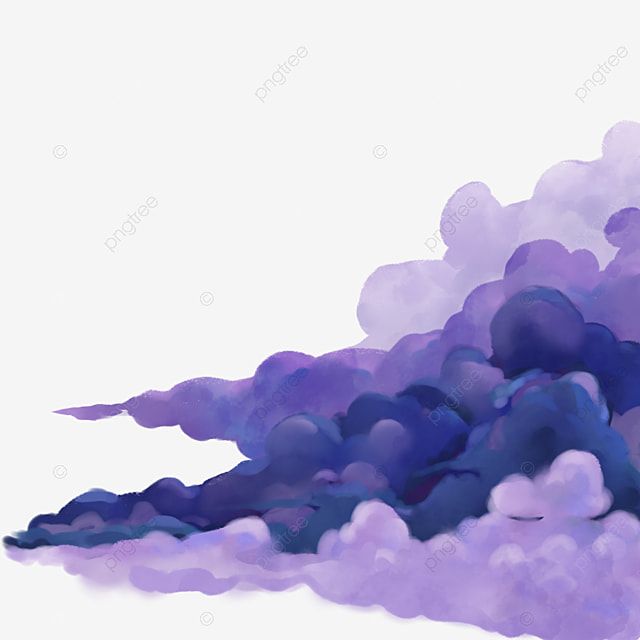
Galaxy clouds are an imaginative way to practice blending, gradients and color harmony. Start with soft, airy cloud shapes and fill them with a cosmic mix of purples, blues, pinks and stars or glitter. Adding subtle lighting, glowing edges or tiny star clusters makes the scene dreamy and otherworldly. This idea helps beginners experiment with layering, blending and lighting effects, and can be used as a backdrop, background or stand-alone artwork. Galaxy-themed clouds encourage creative freedom and help you learn how to easily mix colors and create eye-catching compositions.
Digital art is about creativity, experimentation and expressing your unique style. Even if you’re a beginner, these five simple digital art ideas—minimalist mountains, neon skylines, cute character expressions, aesthetic room interiors, and galaxy-themed clouds—can help you get started and build confidence. The most important thing is to practice regularly, explore different colors and techniques, and don’t be afraid to experiment with your ideas. Over time, you will develop your own style, improve your skills, and create artwork that is not only aesthetically pleasing, but also uniquely you. Remember that digital art is as much about the process as the final piece, so enjoy experimenting, learning and having fun with each creation.